

Laminate Flooring for your Indianapolis Home
Laminate Flooring is a Popular Choice for Indianapolis Homeowners
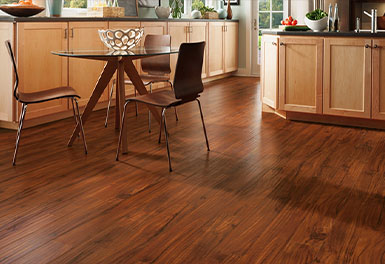
Laminate flooring is a popular choice that duplicates the beauty, warmth and textures of natural wood and stone for a fraction of the price. It is a flexible material that can be installed on all grades, including below grade or in basements. The durability is also a big draw, making laminate flooring practically impervious to high traffic, high heels, pets and more.
Although this type of floor can look like wood, stone, brick or virtually any texture, it is made up of several wood byproduct and/or plastic resin materials bonded together under high pressure.
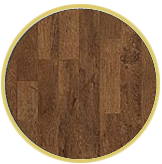
Acclaim – 2 Plank Barnwood Oak
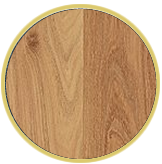
Acclaim – 2 Plank Blonde Acacia
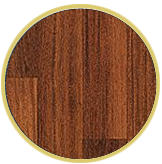
Acclaim – 2 Plank Natural Merbau
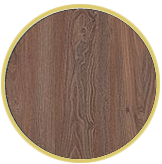
Acclaim – 2 Plank Cafe Chic
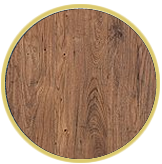
Acclaim – Single Plank Honey Nut Oak
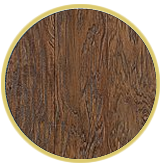
Bayview – Rustic Suede Hickory
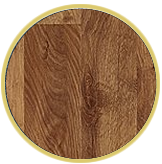
Beckenham – Antique Barn Oak Plank
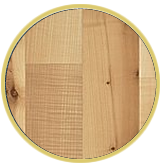
Beckenham – Bright Maple Plank
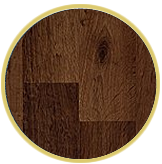
Beckenham – Burnished Oak Plank
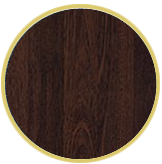
Beckenham – Smoked Oak Plank
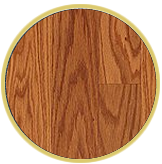
Benton – Auburn Oak
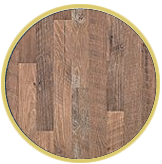
Cornwall – Aged Bark Oak
There are normally three or four layers that make up the product.
- The balancing layer – Backing or bottom that acts as a moisture barrier and stabilizes the board to prevent warping. Backing can range from paper to full plastic laminate, which will have an impact on the price of your floor.
- The inner or center core – Formed with plastic resin or smooth, high-density fiberboard or particleboard, adds further moisture resistance, stability and impact resistance. The inner core forms the tongue and groove locking system.
- The design layer – Includes a photographic simulation of wood, stone, brick or virtually any texture.
- The wear layer – Clear, protective topcoat that protects the floor from fading, scratches and stains making it virtually indestructible.
How Laminate Flooring is Made
There are two types of laminate floor manufacturing, Direct Pressure and High Pressure lamination. Both manufacturing processes involve intense heat and pressure to accomplish its hallmark levels of strength and durability:
High Pressure Laminate subjects the entire inner core material to heated laminate. As the core material passes through the laminating machine, laminate is applied using more than 1,000 pounds per square inch of pressure at over 500 degrees Fahrenheit. This results in a scratch- and dent-resistant material. Because it’s a more complicated process that adds additional strength and durability, it is also a more expensive product.
Direct Pressure Laminate is created a section at a time under significantly lower pressures and temperatures. Both the core and the laminate are subjected to about 300 pounds per square inch of pressure at 200 degrees Fahrenheit. Direct Pressure Laminate is cheaper, but it is less resistant to scratches and dents.
Check out the latest styles, colors and textures. We can bring them to you or you can come to a showroom near you.

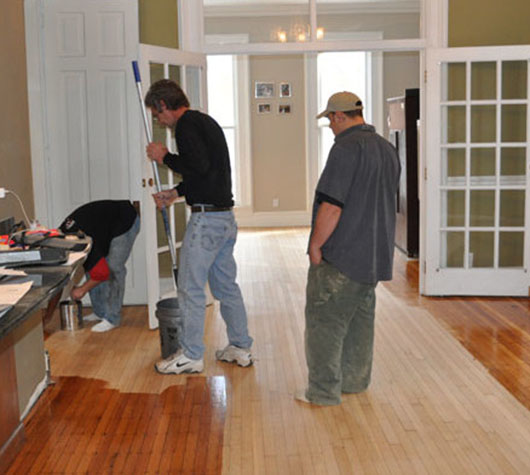 Repairing Scratched Hardwood Floors
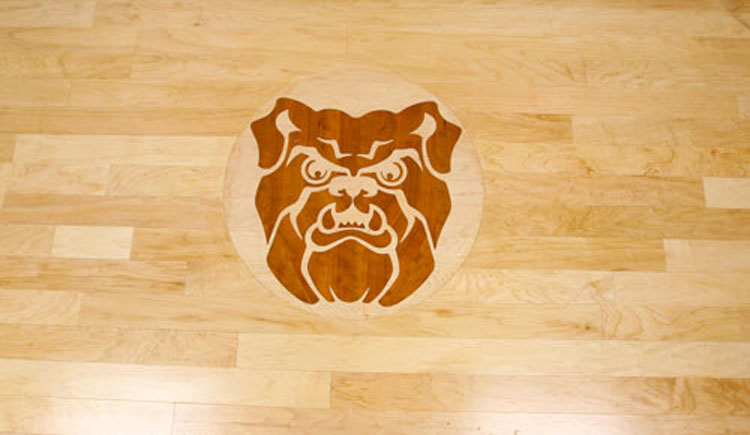 Hinkle Fieldhouse Butler Univers...
 Penthouse Town Home Downtown Ind...
 Antique Flooring Restoration
 Brazilian Cherry Hardwood Floors