

Hardwood flooring can completely change the character of a home. It brings natural warmth and texture to a room, works with an array of styles from traditional to contemporary, and can remain part of a home for decades with the proper installation and maintenance.
Choosing hardwood involves more than finding a color you like. Construction, wood species, hardness, plank width, grain, stain, finish, subfloor conditions, and the location of the room can all affect how your new floor looks and performs. Our goal is to make those choices easier for you so you can find wood flooring that fits your home, lifestyle, and budget.
Solid vs. Engineered Hardwood Flooring
One of the first decisions in an Indianapolis hardwood flooring project is whether to use solid or engineered wood. Both provide the appearance and character of real hardwood; however, they are distinctly different in their construction and may actually be better suited to different parts of your home.
Solid Hardwood Flooring
Solid hardwood flooring is milled from a single piece of wood. It offers the traditional construction many homeowners associate with hardwood and can generally be sanded and refinished multiple times across its lifespan.
Because wood naturally responds to changes in temperature and humidity, proper preparation, expansion space, subfloor conditions, and installation techniques are of paramount importance. Solid hardwood is an excellent option for many living rooms, dining rooms, bedrooms, hallways, and other above-grade spaces.
Engineered Hardwood Flooring
Engineered hardwood flooring uses multiple layers of wood arranged to improve dimensional stability. The visible surface is real hardwood, so an installed engineered floor can provide the same natural color, grain, and character people expect from wood flooring.
Its layered construction, though, makes engineered hardwood less susceptible to movement caused by changing environmental conditions. It can also provide more installation flexibility in areas like rooms built over concrete.
Some engineered products can be refinished, but the number of times really depends on the thickness of the hardwood wear layer.
Neither construction is automatically the right choice for every Indianapolis home. We consider a number of factors, such as the room, subfloor, moisture conditions, design goals, and long-term expectations before recommending solid or engineered hardwood.

Adrianna – Oak Cocoa
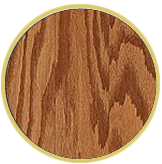
Adrianna – Oak Honey
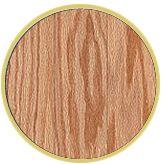
Adrianna – Oak Natural
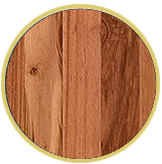
Alviso Tigerwood – Tigerwood Natural
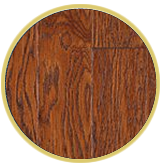
Anchorage – Oak Chestnut
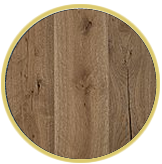
Architexture – Carmel Oak
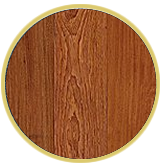
Arroyo – Brazilian Cherry Natural
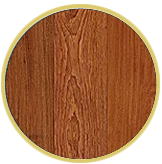
Arroyo – Brazilian Cherry 5 Natural
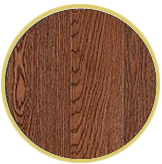
Adventura – Oak Chestnut
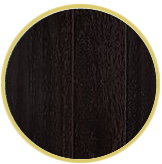
Adventura – Oak Cognac
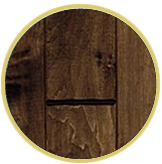
Brandisi Plank – Mocha Maple
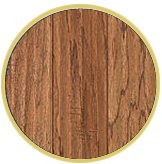
Barnhill Uniclic – Hickory Copper
Choosing a Hardwood Species
Wood species affects far more than color. Each species has its own grain, natural variation, density, hardness, and response to stain.
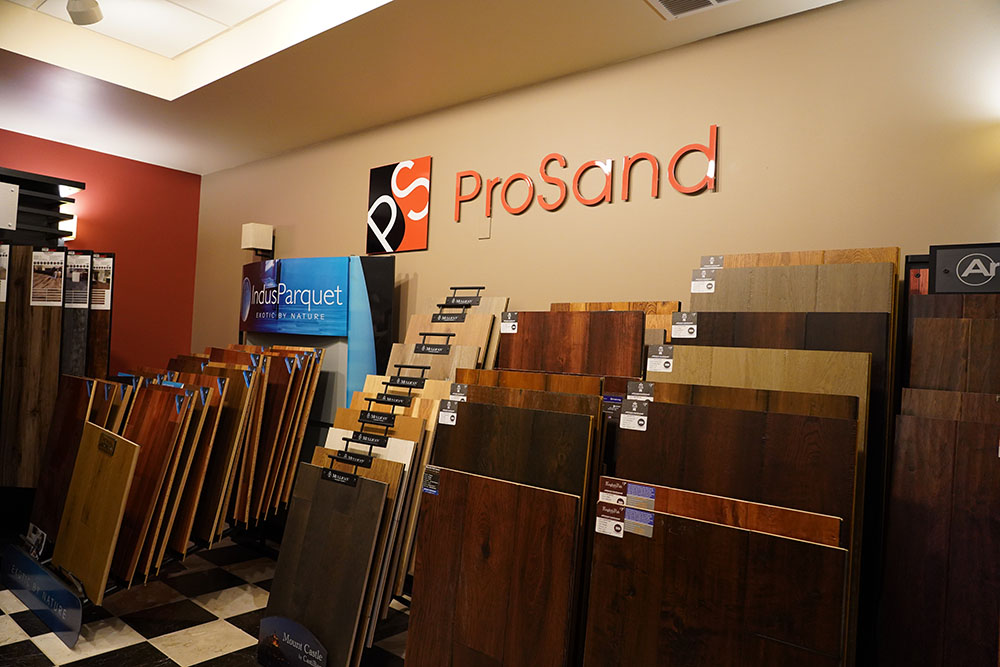
ProSand Flooring offers access to more than 50 wood species, from familiar domestic hardwoods such as maple, hickory, walnut, beech, and ash to distinctive exotic woods.
Some homeowners want a relatively uniform floor with subtle grain. Others prefer pronounced knots, streaks, color variation, or dramatic grain patterns. The right answer really comes down to the room and the look you want to create.
Understanding Janka Hardness Ratings
The Janka hardness rating measures a wood species’ resistance to indentation. A higher rating indicates a harder wood. This is a particularly useful comparison when choosing flooring for busy households, but hardness shouldn’t be the only consideration. Finish, maintenance, pets, traffic, moisture, and the normal character of the wood also influence how a floor ages.
Here is a breakdown of some of the most popular hardwoods we install:
| Wood Species | Janka Rating | General Appearance |
| Black Walnut | 1,010 | Rich, warm brown tones with varied grain |
| Birch | 1,260 | Light wood with noticeable natural color variation |
| Red Oak | 1,290 | Pronounced grain with versatile warm tones |
| White Oak | 1,360 | Light to medium brown with a clean, adaptable appearance |
| Maple | 1,450 | Pale color with a subtle, uniform grain |
| Hickory | 1,820 | Strong grain and substantial natural color variation |
| Brazilian Cherry | 2,350 | Deep, warm color with distinctive reddish tones |
Our hardwood library also includes information on American Beech, White Ash, Teak, Purple Heart, Heart Pine, Wenge, Western Larch, Zebrawood, and other flooring options.
A harder species can be useful in an active household, but the hardest floor is not necessarily the best-looking or most practical floor for every project. We can help you find the right balance of durability with appearance, budget, maintenance expectations, and the character you want the wood to develop over time.
Creating the Right Hardwood Floor Appearance
Two hardwood floors made from the same species can look dramatically different. Board width, grade, grain, stain, finish, and sheen all have a notable influence on the final appearance.
For example, narrower boards can create a traditional look, while wider planks can give a room a more expansive or contemporary feel. Natural character such as knots, mineral streaks, and grain variation can create a rustic appearance, while cleaner grades offer a more uniform surface.
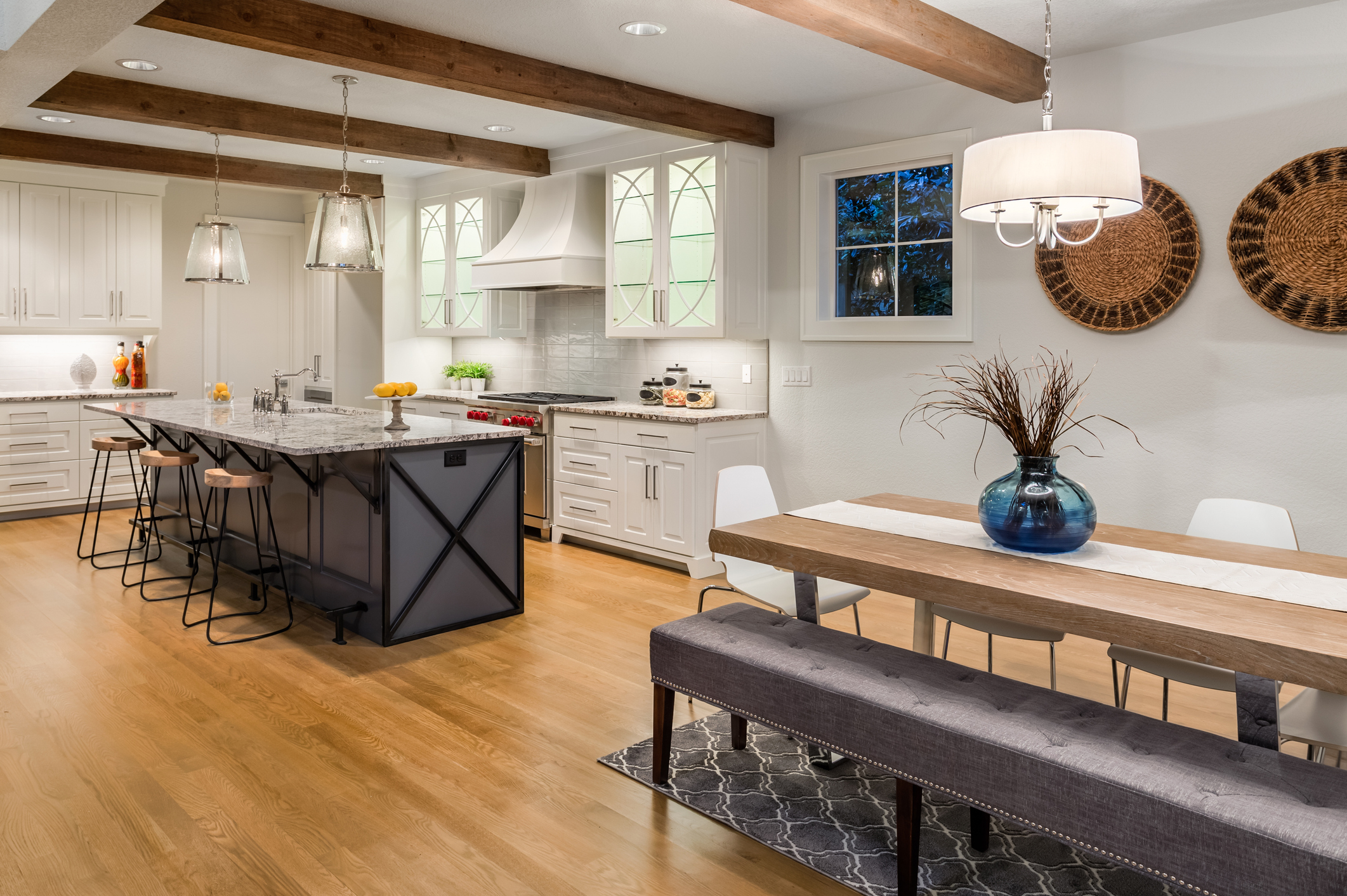
Consider the surrounding room, as well. Cabinetry, trim, wall color, furniture, natural light, and adjoining flooring should all be factors when choosing a final hardwood color.
Dark vs. Light Hardwood Floors
There is no universal answer to the question of whether dark or light hardwood flooring is better.
Dark hardwood floors can create dramatic contrast and give a room a rich and sophisticated appearance. They work particularly well when paired with lighter walls, cabinetry, and furnishings. The tradeoff, though, is that very dark floors can make dust, footprints, pet hair, and surface scratches more noticeable.
Light and natural wood tones tend to brighten a room and can make smaller areas larger. They can also be more forgiving of everyday dust and minor wear.
Medium brown tones offer another option for homeowners who want warmth without committing to either extreme. They work with a wide range of interior styles and can make future design changes easier to accommodate.
When choosing a hardwood floor color, we also look at undertones and contrast. Your floor does not need to match your cabinets, trim, or furniture exactly. In many rooms, a complementary palette for a more defined and intentional design appearance.
Hardwood Stains and Finishes
Stain changes the color of the wood, while finish creates the protective surface over the wood.
Factory-finished hardwood arrives with its color and protective coating already applied. Site-finished hardwood is installed unfinished, then sanded, stained, and finished in the home. Site finishing is often preferred because it provides greater flexibility when you need to coordinate new flooring with existing hardwood or want a more customized color.
One advantage of ProSand Flooring’s site-finishing process is the ability to evaluate stain directly on your own floor. Instead of relying solely on a small sample, we can apply stain choices to the freshly prepared wood so you can see how they interact with that particular species and the natural and artificial lighting in your home.
Hardwood finishes are also available in different sheen levels:
- Matte provides a low-luster, natural appearance and tends to be forgiving of everyday wear.
- Satin adds a modest amount of sheen while remaining relatively understated.
- Semi-gloss creates a more traditional polished appearance.
- Gloss provides the greatest shine but also makes footprints, scratches, and surface imperfections more visible.
The right combination of species, stain, finish, and sheen lets us build a floor around the way you actually want your home to look and function.
Professional Hardwood Flooring Installation in Indianapolis
Even premium hardwood can perform poorly if the installation beneath it is wrong. Proper hardwood floor installation begins before the first board is ever fastened to the floor.
The existing flooring and subfloor need to be evaluated, appropriate moisture conditions need to be established, and the wood needs to be prepared for the installation environment. Layout is also a consideration. Board direction, transitions, expansion space, room dimensions, and adjoining surfaces all affect the finished project.
A typical ProSand installation may include:
- removing and disposing of existing flooring
- inspecting and preparing the subfloor
- correcting minor problem areas
- laying out the new floor
- installing the hardwood
- creating transitions where floor heights change
- completing sanding, staining, and finishing when unfinished flooring is selected
Site conditions differ from one Indianapolis home to another, which is why we approach each installation individually rather than treating hardwood flooring as a one-size-fits-all product.
For a more detailed explanation, see our complete guide to installing hardwood floors in Indianapolis.
Should You Install New Hardwood or Refinish the Floors You Have?
Not every worn hardwood floor needs to be replaced.
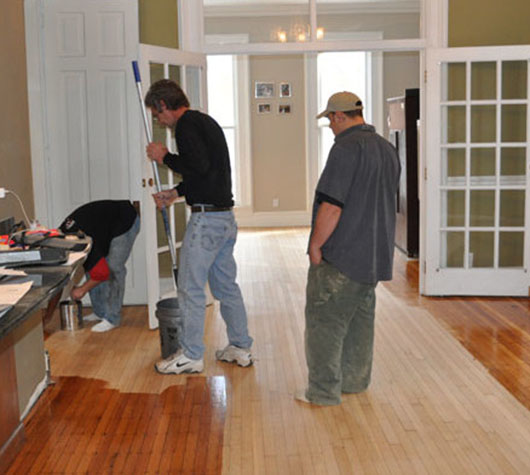
Scratches, fading, an outdated stain color, dull finish, and years of ordinary wear-and-tear can often be addressed through professional refinishing. Sanding removes the worn surface and existing finish, allowing the floor to be repaired where necessary, restained, and protected with a new finish.
Refinishing your hardwood floor can preserve the character of an older floor while dramatically changing the way a room looks.
Severe water damage, broken boards, structural problems, extensive deterioration, or a remodeling project that changes the flooring layout may require repair or replacement instead. In some homes, the best solution is a combination of approaches, such as restoring original hardwood in one area and installing new hardwood in another.
Learn more about the hardwood floor refinishing process or visit our complete Indianapolis hardwood floor refinishing resource for information about sanding, restoration, repairs, dust control, custom stain matching, and damaged floors.
What Affects the Cost of Hardwood Flooring?
The price of an Indianapolis hardwood flooring project depends on several decisions made before installation even begins.
Wood species is one factor. Domestic woods such as oak may be more economical than less common or imported species. Grade, plank dimensions, construction, and specialty treatments can also change material costs.
The total project can also be affected by:
- total square footage
- solid versus engineered construction
- wood species and grade
- plank width and length
- factory-finished versus site-finished flooring
- removal and disposal of existing flooring
- subfloor preparation or repair
- stairs, transitions, vents, and trim work
- custom stain or specialty finishing
- repairs or matching to existing hardwood
Because those variables can change substantially from one project to another, square-foot material pricing alone isn’t an accurate indicator of what a completed floor will cost.
See our hardwood flooring pricing guide and hardwood flooring cost guide for more information about the factors that influence a new installation.
If you already have hardwood, our guide to the cost to refinish hardwood floors explains the refinishing side of the equation.
Hardwood Flooring Warranties
A hardwood floor is a long-term investment, and the workmanship behind it matters every bit as much as the flooring itself.
ProSand Flooring provides a lifetime installation guarantee on our flooring installations. We also guarantee the finish of every site-finished floor for life.
Individual flooring products may carry additional manufacturer warranties depending on the material selected. We are happy to explain the applicable coverage before your flooring is installed so you understand both the product and workmanship protection associated with your project.
Learn more about ProSand Flooring’s lifetime warranties.
Indianapolis Hardwood Flooring From Selection Through Refinishing
Choosing hardwood flooring should not require you to become an expert in every species, construction method, stain, finish, or installation technique before you can make a good decision.
That is where our experience really helps.
ProSand Flooring works with homeowners through the entire process, from comparing solid and engineered hardwood through selecting the species, board style, stain, and finish. We install new floors, coordinate new hardwood with existing flooring, custom mix and test stains for site-finished projects, repair damaged wood, and refinish floors that still have years of useful life ahead of them.
Our experience includes new and existing homes, older hardwood floors, custom residential projects, and commercial wood flooring throughout Indianapolis and Central Indiana.
We serve Indianapolis as well as surrounding communities including Carmel, Fishers, Noblesville, Westfield, Zionsville, Brownsburg, Plainfield, Avon, and Greenwood.
Frequently Asked Questions About Hardwood Flooring
What type of hardwood flooring is best for an Indianapolis home?
There is no single species or construction that is best for every home. The right choice depends on the room, subfloor, moisture conditions, traffic level, pets, desired appearance, maintenance expectations, and budget. ProSand helps homeowners compare those factors before selecting a floor.
Is solid or engineered hardwood better?
Solid hardwood offers traditional single-piece wood construction and can generally be refinished multiple times. Engineered hardwood provides greater dimensional stability and can be useful in installations where concrete or changing environmental conditions are a concern. The better option depends on where the flooring will be installed and what you expect from it long term.
Which hardwood species is most resistant to dents?
The Janka hardness scale can help compare species. For example, ProSand’s wood guides rate Black Walnut at 1,010, Red Oak at 1,290, White Oak at 1,360, Maple at 1,450, Hickory at 1,820, and Brazilian Cherry at 2,350. A higher rating means greater resistance to indentation, but hardness is only one factor in choosing a floor.
Are dark or light hardwood floors easier to maintain?
Light and many medium-tone floors tend to conceal dust, small scratches, and everyday wear better than very dark floors. Dark flooring can create striking contrast, but footprints, dust, pet hair, and scratches may be easier to see. Your household and design preferences should both influence the decision.
Can hardwood flooring be installed over concrete?
Engineered hardwood is often a better candidate for installations involving concrete because its layered construction provides added dimensional stability. The condition and moisture level of the slab still need to be evaluated before installation.
Can my existing hardwood floors be refinished instead of replaced?
Often, yes. Floors that are scratched, faded, dull, or simply the wrong color may have plenty of usable wood remaining. Professional refinishing can remove the worn surface and allow the floor to be repaired, restained, and refinished. Floors with severe structural or water damage may require more extensive repairs or replacement.
Can I see a stain on my actual floor before choosing a color?
For site-finished hardwood, ProSand can apply stain samples directly to the freshly prepared wood. This lets you evaluate the colors on your specific wood species and under the actual lighting conditions in your home before the final stain is selected.
How long does hardwood flooring installation take?
Project length varies according to the size of the area, the existing flooring that must be removed, subfloor preparation, the flooring product selected, and whether the wood is factory finished or finished onsite. Site-finished flooring requires additional time for sanding, staining, finishing, and curing. We establish the project schedule before installation begins so you know what to expect every step of the way.
How much does hardwood flooring cost in Indianapolis?
There is no single square-foot price that accurately represents every completed installation. Species, construction, grade, plank size, preparation, removal of old flooring, installation method, and finishing all affect the final cost. ProSand Flooring provides project-specific estimates based on the flooring and work required for your home.
What warranties does ProSand provide?
ProSand Flooring provides a lifetime guarantee on flooring installations and guarantees the finish of site-finished floors for life. Additional product warranties depend on the flooring selected.
Find the Right Hardwood Flooring for Your Indianapolis Home
Whether you are replacing carpet, adding hardwood to a new room, matching an existing floor, restoring older wood, or planning a whole-home flooring project, ProSand Flooring can help you compare your options and make a confident decision.
Visit our Indianapolis showroom at 4038 Guion Lane to see hardwood flooring options in person, or contact ProSand Flooring to request a free estimate for your hardwood flooring project.
You can also call us at 317-371-6720 to discuss hardwood flooring installation, repair, refinishing, or replacement in Indianapolis and Central Indiana.


 Repairing Scratched Hardwood Floors
 Hinkle Fieldhouse Butler Univers...
 Penthouse Town Home Downtown Ind...
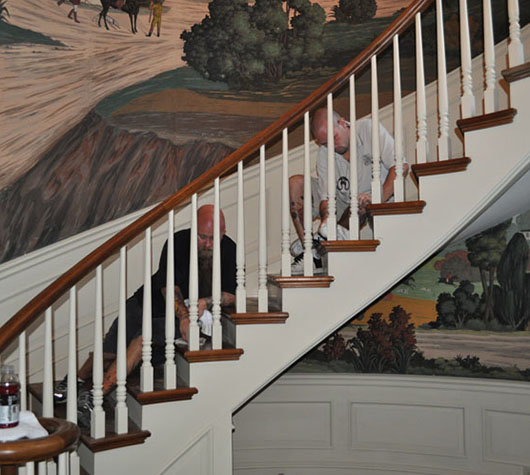 Antique Flooring Restoration
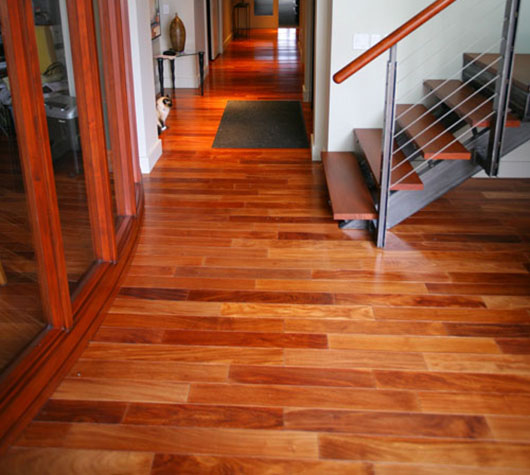 Brazilian Cherry Hardwood Floors